
1099 Prep Guide for Contractors
1099 Prep Guide for Contractors: What You Must Have Ready Before Tax Season
Contractors and self-employed professionals often wait until the last minute to gather their paperwork. That’s exactly when mistakes happen—missing forms, incomplete records, and unnecessary IRS notices. If you earn income outside of a traditional W-2 job, preparing for your 1099s is not optional; it’s part of running a legitimate, financially disciplined operation.
This guide breaks down what you actually need—no fluff, no guessing.
1. Understand Which 1099 Forms Apply to You
If you are a contractor or operate as a sole proprietor, LLC, or single-member LLC, the most common form you’ll receive is:
1099-NEC (Nonemployee Compensation)
You’ll receive this from any client who paid you $600 or more during the year.
You may also receive:
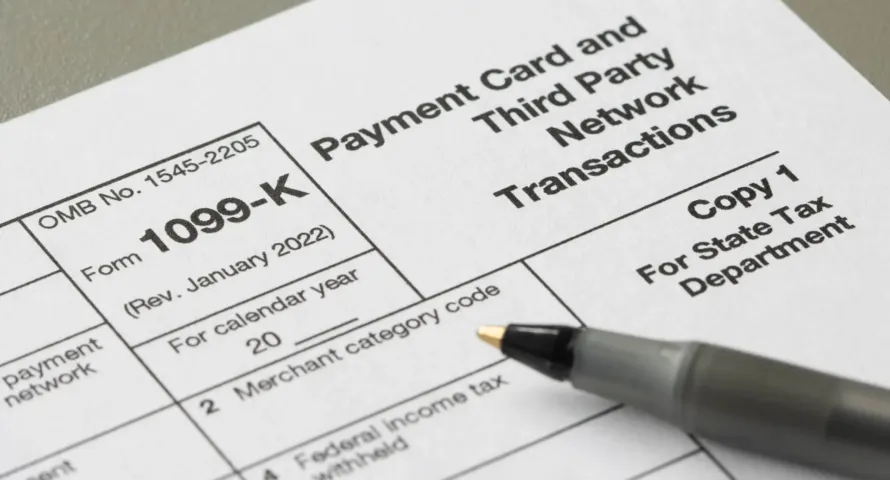
- 1099-K from platforms like PayPal, Stripe, Venmo if payments exceed the IRS threshold
- 1099-INT for interest earned
- 1099-DIV for dividends (if you invest)
Don’t assume you “won’t get one”. Many clients forget, file late, or send it to the wrong address. You must track your income yourself.
2. Make Sure Your Bookkeeping Is Up to Date
Your 1099s should match your books, not the other way around.
You need:
- A clean profit & loss (P&L)
- Categorized transactions
- All business expenses separated from personal
- Reconciled accounts through December 31
If your books aren’t current, you will:
- Overpay taxes
- Miss deductions
- Risk IRS letters for mismatched income
This is where most contractors lose money unnecessarily.
3. Verify Your Records With Your Clients
Before January arrives, confirm:
- Your legal name or LLC name
- Your EIN or SSN
- Your mailing address
- Payment totals for the year match what your books show
A quick year-end check avoids 1099 errors that take months to fix.
4. Track All Payments—Even If You Don’t Receive a 1099
The IRS requires you to report all income, whether a client issues a form or not.
Examples of payments that may NOT come with a 1099:
- Cash work
- Zelle payments
- Venmo personal transactions
- Clients who don’t meet the $600 rule
- Small private gigs
If it hit your pocket, it’s taxable.
5. Gather Your Business Expense Documentation
Tax deductions only count if they’re supported. You’ll need:
- Receipts or invoices
- Mileage logs
- Supplies & equipment purchases
- Home office calculations
- Phone/internet bills
- Contractor subcontractor payments
Organize these by category to speed up tax prep and reduce audit risk.
6. Prepare Your W-9 for Any Client That Needs It
A clean W-9 avoids incorrect 1099s. Provide:
- Your correct legal name
- Your Doing Business As (if any)
- Your tax classification
- Your EIN (recommended) or SSN
If you changed addresses, notify all clients immediately.
7. Work With a Professional Before It’s Too Late
A tax preparer can help you:
- Confirm income totals
- Identify missing deductions
- Correct 1099 mismatches
- File accurately and on time
- Avoid IRS flags
Most financial problems contractors face come from poor bookkeeping, late preparation, or guessing instead of planning.
Contractors who prepare early save money, avoid stress, and operate like real businesses. The IRS has tightened reporting rules, and the days of “I’ll figure it out later” are over.
Schedule your free consultation today.
Your Books Keeper LLC
Trusted Ally of Your Success